
From Recording to Release
Releasing your Music
When I decided it was time to put my music out there, I had to figure out every single step for myself. Looking back, there are some things I wish I had known. Hopefully, this “Music for Money Guide” will tell you exactly what you need to know to get your music out there and start generating an income with your passion!
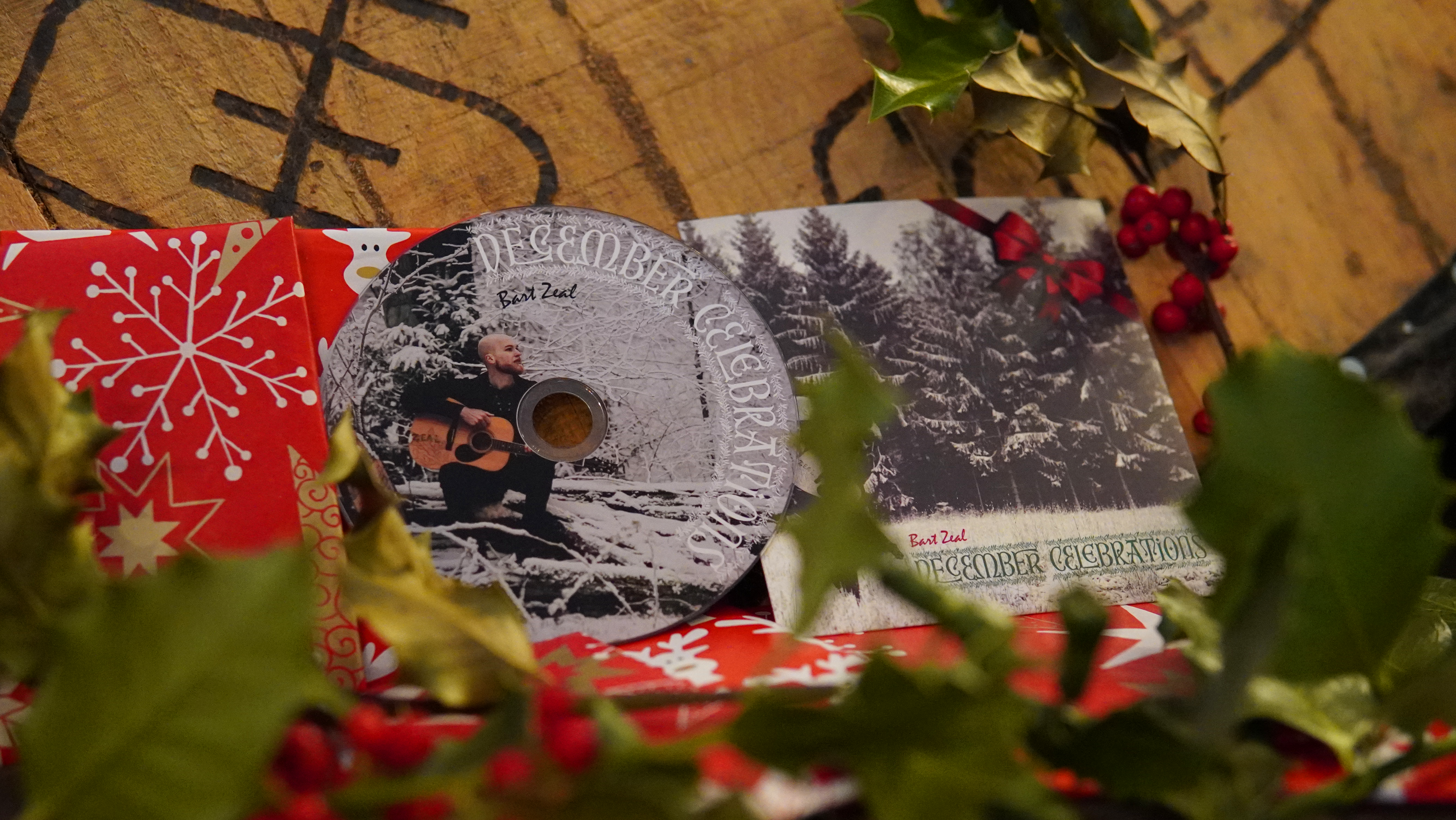
This is the second blog of the Music for Money Guide. Doing every step in the first blog, you’ve now recorded and mixed your music. You’re satisfied with the result: This is an actual song with a good mix! This stuff sounds great! Now it’s time to release your music. Where to start?
Platforms
‘Getting your music online‘ is a very broad subject. I will go over this as concisely as I can, since each topic in this category is eligible for a blog page of their own.
Online is many places, so you’re going to need to make some decisions. The quickest and most intuitive thing to do would be to upload your song to a platform that allows you to share and manage your own music files. Places like SoundCloud or BandCamp are great for making your music shareable and remaining in control of possible future edits you may want to make. You may also decide to first release your music in places you’re already actively interacting at; Social Media. Those places are generally not meant for uploading audio files, so you’re going to need to create a video. You could make an actual music video, adding significant value to your song. You could also take a more passive route; get an image or photo that goes well with the song, add the lyrics on screen as they’re being sung, and you’re ready to upload it to YouTube, Instagram, Tiktok, or wherever. This way you can easily share it with the people around you, since you’ll likely already have an account on one of these socials where you’ve already connected with friends (and family). Just hit the share button and show your inner circle what you’ve been up to. Plus, there’s always that slight chance it gets picked up by a bigger audience!
Socials are also a great way to show the progress of your song as you work towards your release date. It’s a way to create hype and excitement around your work and to interact with your fans. Bringing them along for the journey makes them feel more connected and will lead to more exposure when they start sharing the work you’ve created. More on that in the next blog.
Anyone can do what I just described above for free. You do not necessarily have to have your music on big streaming platforms like Spotify in order to start your music career. Better still, the more time you take uploading stuff elsewhere before moving towards places like Spotify, the more time you have to learn the ropes. By the time you’re ready to find a distributor to get your music on the streaming platforms, you’ll have cut the rough parts off of your gem and it’ll start to shine. Once you’re music is on Spotify and people then start to discover it there, they’ll be met with the very best you’ve got to offer and won’t be discouraged by your earlier (lesser) experiments. It’s quality that counts, not quantity. Remember that you’ve generally got only one moment in time to make your song sound good. After that, it’ll remain available to the world in its unchanged form. You’ll grow and make better music with each passing year, but those old songs remain the way they were and do not grow with you, so make sure that their shape has enough significance to stand the teeth of time!
So you’ve done all that. You’ve shared your music in these places and want things to become a bit more official. It’s time to work towards that worldwide release. How?
Cover Art
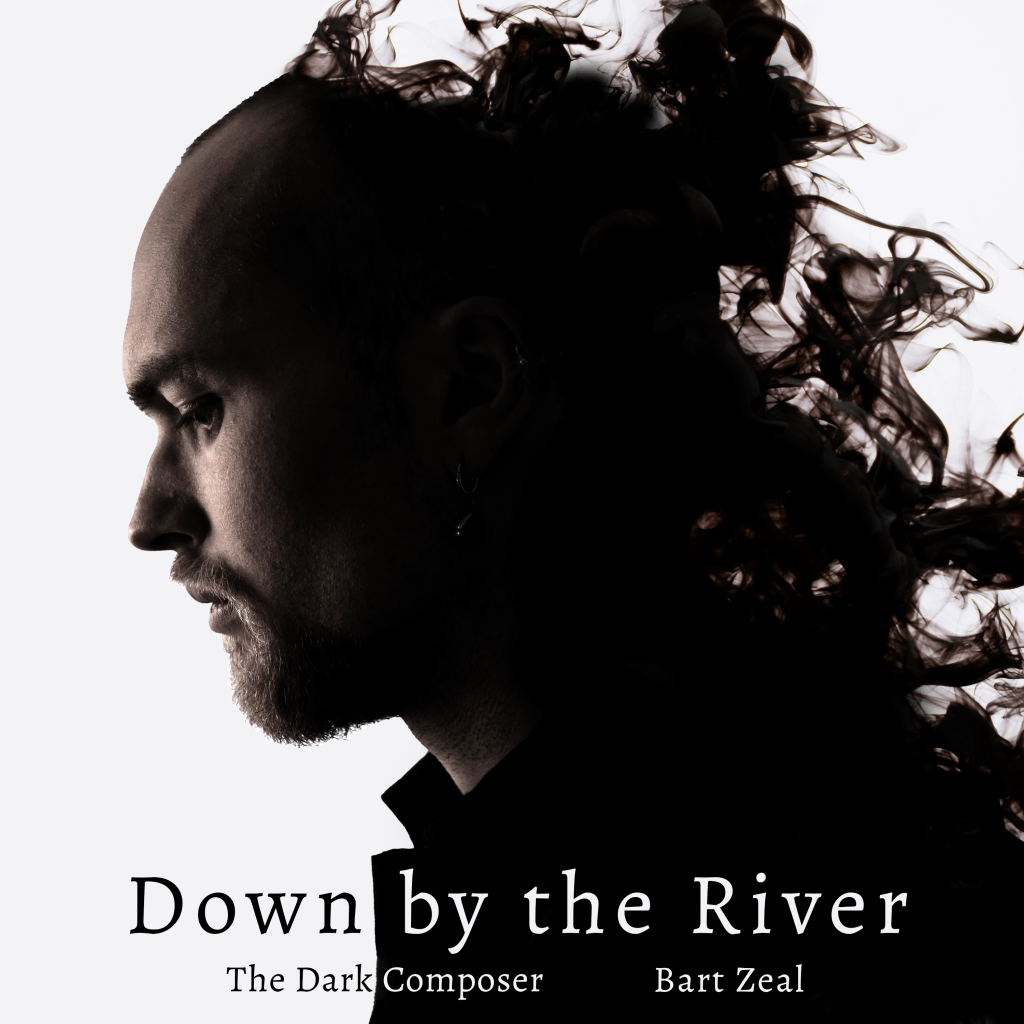
In order to release a song to the streaming platforms we all know, you will need an image that goes along with your music. The cover art is as much a part of your music as the sounds themselves. So give it some thought and put some time into its design. Whether you’re releasing a single, an EP, or an album; your cover art is going to be the visual representation of your song and will be the first thing people see before they even listen to the first second of your music. That means it has to look appealing in whatever way that suits your music. Bright colors for a bright song? A sad picture of your face for a very intimate emotional song? Burning buildings and skeletons for your trash metal EP? You really can’t go wrong as long as it represents you and your music.
There are some rules to follow though. Most music distributors want your cover art to follow strict guidelines. For instance, Amuse, my distributor, requires the art to be 3000×3000 pixels minimum, the text to be none other than the artist(s) name(s) and/or the title, no parts of the image may be blurry, etc. If you make sure your cover art follows these rules, it’ll be more likely to be approved quickly and on schedule without the need to make edits to your release. It’s always good to upload your release well before your release date, so that any unexpected hic-ups on this end may still be solved in time for release.

Distribution
To release your music, it is not as simple as social media where you upload, edit, and manage your videos/photos yourself. In order to get your stuff on the big platforms, you’ll need a distributor who takes your song, your cover art, and your metadata and makes sure it is distributed to all the countries and stores correctly.
Once again; there are many options and for most people that start out the ultimate decision will depend on pricing. There are distributors that distribute for ‘free’ and take a 15% cut off your royalties. So not really for free, but you don’t have to pay them anything in advance. There are distributors who require you to pay a one time fee per song. There are also distributors who require you to pay monthly, like a subscription. I’ll go over them in this same order.
I’m using Amuse, because when I started out, I had no money, and they offered a way to release music without having to pay for it in advance. There is also Soundrop, which, like Amuse, still has a free program. They’re a good starter point if you look to release your first few songs. I had some of my covers released by them as well when I did not yet have a clear image of what I legally needed in order to release a cover. They took care of that for a one time payment of €1,- per song.
Some distributors, like CDbaby, require you to pay a one-time $10,- per release, while others, like Symphonic, require you to pay for a monthly subscription. You’ll need to decide whether a one time payment or a subscription is the better choice for you. Look at how often you’ve released new songs on social media in the past, your plans for the present, and a realistic outlook on the future. Do the math and you’ll discover which distributors fit your style best.
If you’re considering a subscription, there are a few things to note. Most importantly, when you stop paying for the subscription some distributors will remove all your content from the stores. One of these distributors is Distrokid and I would advise against choosing them, even if they seem the more popular choice. You’ll pay about the highest monthly fee of all distributors I know of and will have to pay extra upon extra upon extra for any small thing you may want to add that isn’t included in their subscription program (like distributing covers, adding lyrics, etc.). When you intend to collaborate and you want to add your fellow musician as primary artist, you’ll have to pay Distrokid big time to make that happen. If you’d ask me which of the distributors with a subscription-based payment I’d choose, then my second choice, after Amuse, would be Symphonic. They’ve got an active and professional support team that promises to respond within one day and do not have that kind of ‘micro transactions‘ like Distrokid does.
To make your ultimate decision, you need to walk the same path you did when you had to choose what microphone to buy: Browse the internet, do some research, and ask other musicians who distributes their music and why they’ve chosen that distributor specifically. Do the math and find the cheapest option with the best service that suits your needs and style as well.
Distribution – Originals
The research is done and you’ve chosen your distributor? Then it’s time to make an account with them and start releasing your tunes into the world. Are you releasing a song you wrote and recorded yourself without sampling tunes or using third party lyrics? In other words; an original song? Then you’ll be happy to know you’re just about done!
Follow the steps in the release procedure of your distributor and make sure to stick to the rules they set out to make everything go smoothly. Amuse offers the choice which stores and which countries you want your release to be sent to and what your release date will be. Once you’ve uploaded your release, sit back while it goes through approval. Once you’ve got the green light, they’ll send it towards the stores and all you have to do is wait for release day to find your own song among everyone else’s on the big streaming platforms!
Distribution – Covers
Do you want to release a cover song? Then there are some rules and myths we need to go over before you can release it.
A cover song is a song exactly as the original artist recorded it, but recorded in your own style and voice. You can use different instruments, but you cannot change the chord progression or melody. You can use multiple vocals, maybe you have male vocals instead of female, but you cannot change, add, or remove lyrics. The moment you change anything that’s fundamental to the song, it’s called a derivative work. In order to get legal permission to do that, you will need to get in touch with the original artist or their management and get explicit permission. There are also companies who offer help with this process (for a fee). If you’re starting out, sticking to covers rather than derivative works is your way to go. If you really do have to make a derivative work, look into how to go about it. Find the publisher of the song and get in touch. A few emails back and forth can go a long way to secure that permission and get started. Sometimes you don’t even have to open your wallet for the license, if the owner of the copyright is kind enough.
Releasing covers has never been easier since a law passed in 2021 that put the streaming platforms in charge of making sure the original owners get their share of the royalties. You no longer need a license to release to all streaming platforms worldwide, excluding The United States, Canada, Mexico, Japan, India, and Pakistan. If you wish to release your song to those countries as well, you need to make sure that your song isn’t released on any of the stores where your song can be bought and downloaded: You need to acquire a mechanical license if you want to make your song available worldwide AND on download platforms. So as long as you’re releasing your covers to streaming platforms only, you’re in legal territory.
If you wish to sell your cover songs, you’ll need someone to take care of the licensing. This always comes at a fee. Some distributors, like Distrokid and Soundrop will do the licensing for you at a fee. Distrokid uses a recurring fee you’re gonna have to pay over and over again till the very day you die, while Soundrop only asks a dollar once, and you’re done. If you want to sell (not stream) your covers while using distributors like Amuse or Symphonic, you need to acquire the license yourself or get Easy Song to do it for you (at a fee). As long as you got a license, you can distribute your song with any distributor.
From Release to Exposure
It’s been a long journey with lots of hard work, but you’ve done it. You’ve completed the trials and your music is now available worldwide on all major streaming platforms. When you take a look at the number of streams, you may (or may not) discover that your song isn’t gaining the traction you had hoped it would. You need exposure. The next blog in this series will explain a couple of ways to get that exposure, get more streams, and get your song heard. For now, congratulations with this first and major step in your music career!
 Bart the Bard